


Slot volatility describes how risky a slot is, and how it pays out. Understanding it helps you choose games that match your budget, risk tolerance, and playing style. This guide explains what volatility means, how it differs from RTP, and what to consider when picking slots by variance level.
How We Assessed Volatility
We base volatility ratings on a few key sources:
- Manufacturer data
- Gameplay across sessions
- Paytable analysis
- Player feedback
Exact volatility figures are often not published, so ratings represent informed estimates rather than precise measurements. Actual experience will vary between sessions and players.
Disclaimer: Maple Casino is free to use. If you choose to register through a link in this table, we may receive a commission. That revenue helps fund ongoing testing and updates, and it does not influence which casinos we cover, or how they are evaluated.
What Is Slot Volatility and Why Does It Matter?
Slot volatility refers to the frequency and size of payouts in online real money slot games. It shows how often you win, and how big those wins are. It doesn’t affect RTP.
High-volatility slots pay out less frequently but tend to deliver larger wins when they do hit. Low-volatility slots pay out more frequently, but in smaller amounts (followed by occasional large payouts). They typically feature a higher maximum win potential and bonus rounds with substantial multipliers.
These games provide steadier gameplay with regular small wins that help maintain bankroll levels across longer sessions. However, they generally offer lower maximum win potential.
Medium volatility slots fall between these two extremes. They offer a balance of payout frequency and win size.
Why Volatility Matters for Slot Selection
Volatility affects how your session actually feels – such as your bankroll, your wins, and your risk.
These include bankroll requirements, typical session length, the frequency and size of wins, and the overall emotional range of a session.
High-volatility games generally demand larger bankrolls. Wins arrive less often, and the swings between a significant payout and a prolonged dry stretch can be considerable. On the other hand, low-volatility games distribute wins more frequently, though in smaller amounts. This allows for a modest bankroll to sustain longer sessions with fewer dramatic swings.
That said, volatility only describes how wins and losses are distributed across a session. It doesn’t determine what a game returns over time. Two games with identical RTP figures will return the same percentage to players eventually, regardless of how wins are distributed.
How Volatility Differs from RTP
Players often mix up volatility and RTP. They’re not the same thing.
| Feature | RTP (Return to Player) | Volatility |
| Definition | Percentage of total wagers returned to players over time. | Risk level describing frequency and size of wins. |
| Consistency | Remains constant regardless of short-term results. | Describes the pattern of short-term results. |
| Calculation | Calculated over millions of spins. | Affects individual session outcomes. |
| Impact | Determines long-term expected loss. | Determines playing experience and bankroll fluctuation. |
| Example | 96% RTP means 96% returned, 4% house edge. | High-volatility means infrequent but large wins. |
A slot can have high RTP with high-volatility—infrequent large wins, reasonable long-term return—or low RTP with low-volatility. These include frequent small wins and poor long-term returns. The two metrics measure different aspects of game behaviour.
How to Identify Slot Volatility Before Playing
Volatility is not always shown, but there are ways to spot it. Several indicators can help you identify it.
Some developers include volatility ratings in game information. These may appear as labels such as low, medium, or high, star ratings, or proprietary scoring systems. Unfortunately, these are not standardized across providers.
High-volatility games typically show large gaps between regular and top payouts, maximum win potential of 1,000× stake or more, and relatively few mid-range wins.
Low-volatility games generally feature more evenly distributed payouts, lower maximum wins — often under 500× — and more frequent mid-range returns.
Game mechanics can also signal volatility. Features like Megaways systems, high-value scatters, and large multiplier bonuses are commonly associated with higher volatility. Fixed paylines, frequent wilds, and re-spin features tend to appear more often in lower volatility titles.
Demo play provides another observation point. Testing a game for roughly 100–200 spins can help you observe win frequency, payout size, and bankroll fluctuation. That said, the sample size is limited. Due to the random nature of slot outcomes, a short session cannot establish volatility, only suggest a general pattern.
High-volatility Slots: Characteristics and Considerations
High-volatility slots are characterized by infrequent wins with higher payout potential. Understanding their behaviour helps players assess whether this variance level suits their preferences and budget.
Typical high-volatility characteristics
- Win frequency: wins may occur every 10–30+ spins on average. Dry spells can potentially last 50–100+ spins
- Payout size: when wins occur, they are often several times the bet size or more
- Maximum win potential: typically, 5,000× to 100,000× stake or higher
- Bankroll impact: rapid depletion during losing streaks; significant increases during winning periods
- Bonus features: often include free spins with multipliers, expanding features, or progressive elements capable of delivering large payouts
Examples of high-volatility slots
The following games illustrate typical high-volatility characteristics. These examples are included for educational purposes to demonstrate variance patterns—not as recommendations.
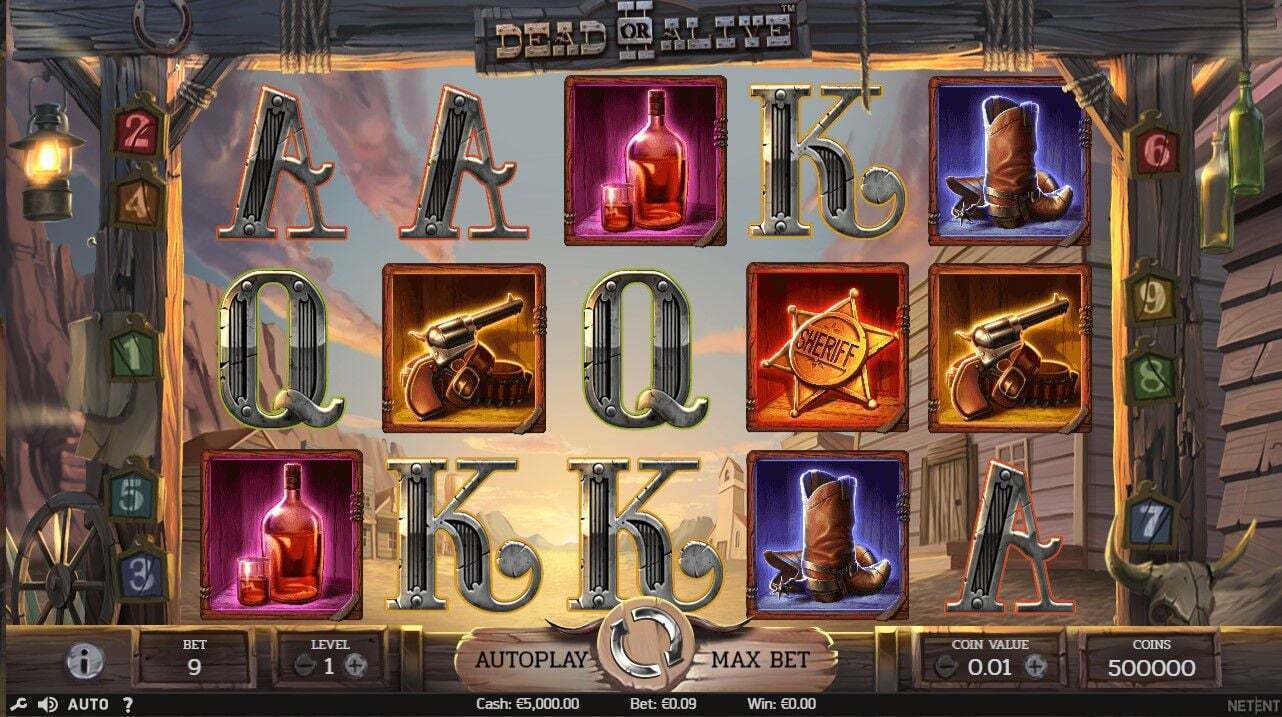
1. Dead or Alive 2 (NetEnt)
Maximum win: 100,000x stake
RTP: 96.8%
Volatility indicators: sticky wilds in free spins; high multiplier potential; long dry spells between bonus triggers; very high maximum payout relative to base game wins.
2. Book of Dead (Play’n GO)
Maximum win: 5,000x stake
RTP: 96.21%
Volatility indicators: expanding symbols in free spins; infrequent but potentially large bonus round wins; base game wins tend to be small relative to bonus potential.

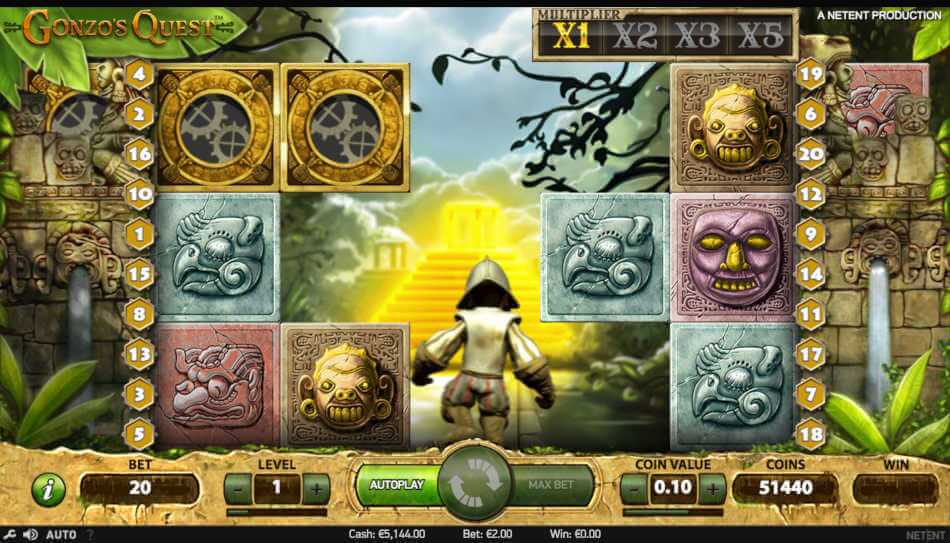
3. Gonzo’s Quest Megaways (Red Tiger/NetEnt)
Maximum win: 21,000x stake
RTP: 95.77%
Volatility indicators: Megaways mechanics with up to 117,649 ways to win; avalanche multipliers reaching up to 15x; earthquake feature adds unpredictability; free spins with increasing multipliers.
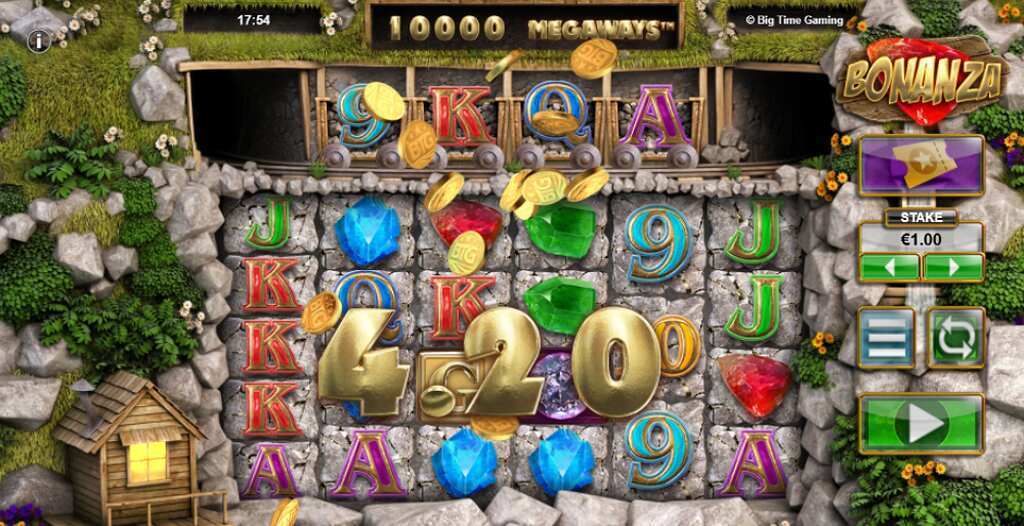
4. Bonanza (Big Time Gaming)
Maximum win: 10,000x+ stake
RTP: 96%
Volatility indicators: Megaways mechanics; unlimited multiplier in free spins; infrequent bonus triggers; potential for very large wins during extended free spin sessions.
Editorial note: game availability may vary depending on the casino and jurisdiction. Features and RTP can also differ between versions or regions.
For a broader overview of the titles, we’ve tested and analyzed, you can explore our online slots reviews. Always check the game information screen before playing to confirm the most up-to-date details.
Bankroll management for high-volatility slots
High-volatility games require different bankroll management approaches than low-volatility games.
Budget considerations
- Session bankroll: plan for at least 100–200x your bet size to withstand typical dry spells. Some players use 300x or more for very high-volatility games.
- Bet sizing: consider betting smaller amounts relative to your total bankroll—0.5–1% per spin rather than 2–5%—to extend playing time through losing streaks.
- Loss limits: set strict loss limits before playing. High-volatility games can deplete bankrolls quickly during unfavorable runs.
Session management
- Time limits: high-volatility games can be emotionally intense. Shorter sessions with breaks help avoid frustration during dry spells.
- Win goals: if you hit a significant win, consider ending the session or reducing bet size—the next large win may be many spins away.
- Chasing losses: high-volatility games create temptation to increase bets after losses. This accelerates bankroll depletion and should be avoided.
High-volatility player profile
Players who gravitate toward high-volatility games typically maintain a larger bankroll relative to their bet size. They accept the possibility of extended losing streaks in exchange for the chance at larger, less frequent payouts. They also tend to seek out bonus features with elevated payout potential rather than mechanics that reward consistency.
Worth noting: these players generally understand that individual sessions will often end at a loss. That acceptance isn’t a long-term strategy for better outcomes. Instead, it reflects a deliberate tolerance for rapid bankroll drawdown as part of how they engage with the game.
Low-volatility Slots: Characteristics and Considerations
Low-volatility slots feature frequent wins with smaller payout amounts. Understanding their behaviour helps you assess whether this variance level suits your preferences and budget.
Typical low-volatility characteristics
- Win frequency: wins may occur every 3–8 spins on average, with dry spells rarely exceeding 20–30 spins
- Payout size: most wins are equal to or slightly above the bet size, with occasional wins of 5–20x stake
- Maximum win potential: typically, 500x to 2,000x stake
- Bankroll impact: gradual decline during losing periods; steady maintenance during average play; less dramatic swings overall
- Bonus features: often include frequent re-spins, guaranteed wins, or modest multipliers rather than high-risk, high-reward mechanics
Examples of low-volatility Slots
The following games illustrate typical low-volatility characteristics.
1. Starburst (NetEnt)
Maximum win: 500x stake
RTP: 96.09%
Volatility indicators: Expanding wilds trigger re-spins; wins occur frequently in both directions; low maximum payout; simple mechanics with consistent small wins.

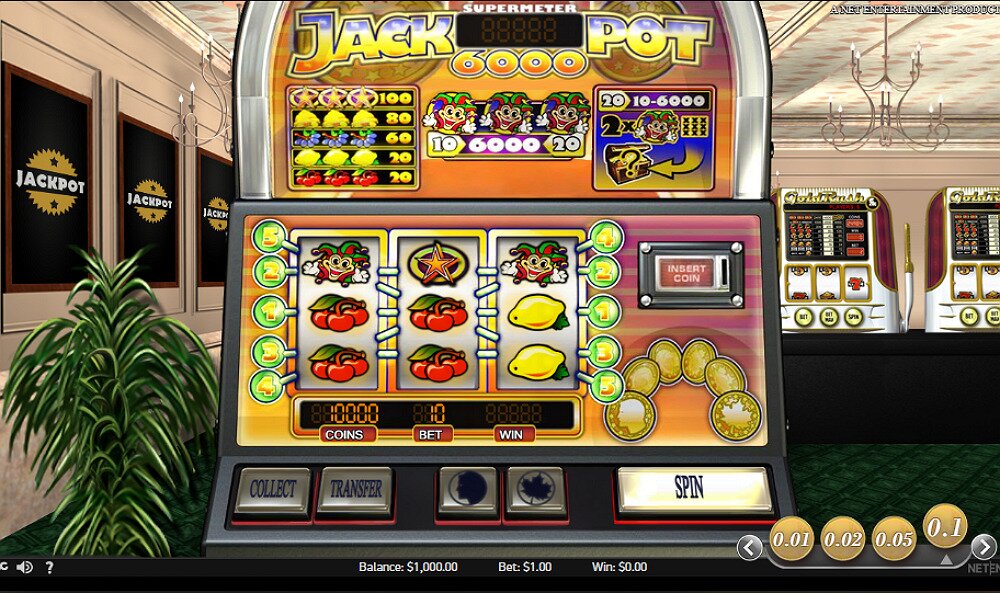
2. Jackpot 6000 (NetEnt)
Maximum win: 6,000 coins (varies by bet level)
RTP: 95.1% to 98.9% depending on Supermeter mode usage
Volatility indicators: Classic fruit machine style; frequent small wins; Supermeter mode allows banking wins; straightforward payout structure.
3. Blood Suckers (NetEnt)
Maximum win: 900x stake
RTP: 98%
Volatility indicators: High RTP with low variance; frequent small wins; bonus game with guaranteed payouts; lower maximum win than high-volatility alternatives.

4. Wild Scarabs (Microgaming)
Maximum win: 2,000x stake
RTP: 96.28%
Volatility indicators: stacked wilds appear frequently; free spins trigger regularly; consistent small to medium wins; lower maximum payout than high-volatility games.
Important note: game availability varies by casino and jurisdiction. Features and RTP may differ between versions or regions. Always check game information screens for current details.

Bankroll management for low-volatility slots
Low-volatility games allow different bankroll approaches than high-volatility games.
Budget considerations
- Session bankroll: 50–100x your bet size is often sufficient, as more frequent wins help maintain balance
- Bet sizing: players can typically bet a higher percentage of bankroll per spin—1–3%—due to lower risk of rapid depletion
- Loss limits: still essential, but bankroll tends to decline more gradually, giving more warning before limits are reached
Session management
- Time limits: low-volatility games support longer sessions on the same bankroll. Time limits help prevent extended play beyond intended duration.
- Win expectations: large wins are uncommon. Focus on entertainment value rather than profit expectations.
- Bankroll maintenance: frequent small wins can create the illusion of breaking even while the house edge gradually reduces balance. Track actual profit and loss rather than relying on perception.
Low-volatility player profile
Players who gravitate toward low-volatility games typically carry a smaller bankroll, prefer lower-risk gameplay, or both. The appeal is straightforward: longer sessions, more frequent small wins, and steadier bankroll movement over time.
That said, low-volatility does not eliminate risk. The house edge remains in effect regardless of variance level, and bankrolls can decline over time. This decline tends to be more gradual, with smaller wins distributed along the way.
Common Misconceptions About Slot Volatility
| Misconception | The Reality |
| Volatility affects your overall chances of winning. | It only changes the distribution of wins (size vs. frequency), not the long-term RTP. |
| High-volatility slots get “due” for a big payout. | Every spin is an independent event controlled by an RNG, making past results irrelevant. |
| Volatility can change during a play session. | Volatility is a fixed mathematical property of the game’s design and never fluctuates. |
| Low-volatility slots are a “safer” investment. | All slots carry a house edge that ensures a long-term loss regardless of the swing size. |
| Bankroll management can beat high-volatility. | Strategies only help you play longer; they cannot change the game’s mathematical expectation. |
| Volatility ratings are precise and standardized. | These ratings are often subjective estimates that vary between different manufacturers and sources. |
Volatility and Responsible Gambling
Volatility has direct implications for responsible gambling – it shapes how bankrolls behave over time and how players experience the cycle of wins and losses.
High-volatility games carry measurable risk. Rapid bankroll depletion, extended losing streaks, and the temptation to chase large wins can all contribute to impulsive decisions that fall outside a player’s original budget
Low-volatility games present a different pattern. Frequent small wins can create the impression of breaking even while the bankroll gradually declines. This dynamic may extend session length and, in turn, increase total spending over time.
Recognizing these patterns helps players manage expectations, set realistic time limits, and approach budgets with more accuracy.
All players should gamble only with disposable income and treat gambling as entertainment rather than a source of income. They should take regular breaks during sessions, and seek support if gambling begins to negatively affect finances, emotional wellbeing, or personal relationships.
Comparing High and Low-volatility: Decision Framework
Choosing between high and low-volatility slots depends on personal preferences, budget, and playing goals. The framework below helps identify which variance level may better suit your situation.
| Factor | High-volatility May Suit You If… | Low-volatility May Suit You If… |
| Bankroll Size | You have a larger bankroll relative to your bet size (200x+). | You have a smaller bankroll or prefer conservative betting (50–100x). |
| Risk Tolerance | You can tolerate long losing streaks without frustration or chasing losses. | You prefer steadier gameplay with less dramatic swings. |
| Win Preference | You prefer the possibility of large wins over frequent small wins. | You prefer frequent small wins over waiting for large payouts. |
| Session Goals | You’re comfortable with shorter sessions or rapid bankroll changes. | You want longer playing time on the same budget. |
| Emotional Response | You enjoy the engagement of high-risk, high-reward gameplay. | You prefer less stressful, more predictable entertainment. |
| Bonus Features | You enjoy complex bonus rounds with large payout potential. | You prefer simpler features with consistent modest payouts. |
Self-assessment questions
Consider these questions when choosing volatility level:
- Budget: how much can you afford to lose in a single session without concern? This should be your session bankroll.
- Bet size: what bet size allows at least 50–100 spins on your session bankroll? For high-volatility, aim for 100–200+ spins.
- Time: do you prefer shorter, more intense sessions or longer, steadier sessions?
- Emotional response: how do you react to long periods without wins? Does it cause frustration or the urge to increase bets?
- Win expectations: are you playing for entertainment with any wins as a bonus, or are you hoping for a large payout?
- Experience level: are you comfortable with how slots work and the role of randomness, or are you still learning?
Volatility choice affects playing experience, not long-term profitability. Both high and low-volatility slots carry a house edge that ensures the casino profits over time. Choose based on which experience you prefer—not which you think offers better chances of winning.
FAQ
What is slot volatility?
Slot volatility describes the risk level and payout pattern of a slot game. High-volatility means infrequent large wins with long dry spells. Low-volatility means frequent small wins with steadier gameplay. Volatility affects playing experience and bankroll fluctuation but does not change the long-term return percentage (RTP).
Does volatility affect my chances of winning?
No. Volatility describes how wins are distributed, not whether you will win overall. A high-volatility slot and a low-volatility slot with the same RTP have identical long-term expected returns. The difference is in the pattern of wins—infrequent large wins versus frequent small wins—not in total amount returned to players over time.
How do I know if a slot is high or low-volatility?
Check the game’s information screen or paytable for volatility ratings—low, medium, high, or numeric scales. If not disclosed, analyze the paytable structure. Large gaps between regular and top payouts suggest high-volatility, while evenly distributed payouts suggest low-volatility. Demo play testing can also provide observational insight, though results will vary due to randomness.
Should I choose high or low-volatility slots?
That depends on your budget, risk tolerance, and preferences. Choose high-volatility if you have a larger bankroll, can tolerate long losing streaks, and prefer the possibility of large wins. Choose low-volatility if you have a smaller bankroll, prefer steadier gameplay, and want longer playing time. Neither offers better long-term returns—the choice is about playing experience.
Can I use strategy to beat high-volatility slots?
No. All slots use random number generators that ensure outcomes are independent and unpredictable. No betting strategy, bankroll management approach, or playing technique can overcome the house edge. Proper bankroll management helps you play responsibly and avoid rapid losses, but it does not change the mathematical expectation of the game.
Are Megaways slots always high-volatility?
Generally, yes, but not always. Most Megaways slots feature high-volatility due to their mechanics—thousands of ways to win, multipliers, large maximum payouts. That said, some Megaways games carry medium volatility. Always check the specific game’s volatility rating rather than assuming based on mechanics alone.
Is low-volatility safer than high-volatility?
Low-volatility provides more predictable bankroll behaviour with less dramatic swings, but it is not “safer” in terms of long-term expected return. Both high and low-volatility slots carry a house edge that ensures players lose money over time. Low-volatility loses money more gradually, but total expected loss depends on RTP—not volatility.
Does volatility change during a gaming session?
No. Volatility is a fixed mathematical property of the game’s design. What changes is your observed results, which will vary around the game’s true volatility due to random variation. A high-volatility slot remains high-volatility throughout your session, even if you experience a temporary streak of frequent wins or losses.