

Ontario online casinos operate within a highly developed online gambling market in Canada. You can access licensed platforms under strict rules.
This guide shows you how online casinos in Ontario work. It also covers the difference between regulated and international sites, and lists licensed ON casino options.
Online Casinos in Ontario Reviewed
This list includes both Ontario-regulated operators and internationally-licensed platforms that accept players from the province. Regulatory status and player protections differ between these two categories.
Disclaimer: Maple Casino is free to use. If you choose to register through a link in this table, we may receive a commission. That revenue helps fund ongoing testing and updates, and it does not influence which casinos we cover, or how they are evaluated.
Ontario Online Casino Market Overview
Ontario runs a regulated online gambling market.
The Alcohol and Gaming Commission of Ontario (AGCO) and iGaming Ontario manage it. Together, they set the rules and hold operators accountable.
There’s a catch: Some casinos with other strong licenses still accept Ontario players.
Gambling landscape at a glance
| Category | Details |
| Legal status | Legal and regulated |
| Minimum gambling age | 19 |
| Online market operator | iGaming Ontario |
| Number of Ontario-licensed sites | 40+ regulated operators |
| International sites accessible | Yes (offshore licensed platforms) |
| Land-based casinos regulatory authority | AGCO |
| Number of land-based casinos | 25+ across the province |
| Sports betting availability | Fully legal (online and retail, single-event betting allowed) |
| Ontario gambling tax rate | Not applied directly to players (operator-based taxation) |
Ontario’s gambling market reflects its large population. Its fully regulated market makes Ontario online casinos the most competitive in Canada. Both operators and players benefit from this.
How Ontario’s online gambling system works
The province uses a competitive model. No single government-run platform controls the market.
The AGCO sets technical and compliance standards. It also regulates advertising and enforces licensing rules.
Meanwhile, iGaming Ontario handles operator agreements and ongoing compliance. This split approach keeps the market open and competitive.
What We Tested
Licensing and regulatory status
We check whether operators hold AGCO registration and iGaming Ontario contracts. Some sites run under offshore licences instead. This affects what protections you get as a player.
Payment methods and banking
We test deposit and withdrawal options for Canadian players. In particular, we focus on Interac availability and how reliably payments process.
Withdrawal speed and limits
We run real withdrawals to measure actual payout times — not just advertised ones. We also record minimum and maximum withdrawal limits.
Account verification
We complete KYC (identity checks) on each platform. This shows us how fast and clear the process is for you.
Game selection and usability
We look at game library size, provider quality, and search tools. We also test mobile performance across different devices.
Responsible gambling tools
We test deposit limits, session timers, self-exclusion features, and cooling-off periods. We check that each tool works as described.
Customer support
We contact support teams through live chat, email, and phone. We ask real questions and measure response times and solution quality.
For more detail, see our full testing methodology and editorial principles.
Safe Casinos Accessible to Ontario Players
Here’s a quick overview of the Ontario online casinos we tested:
| Casino | Game Count | More Licenses | Strengths | Limitations |
| Casino Days | 5,000+ | Kahnawake and Curaçao Gaming Control Board | Extensive game library, reliable Interac, 24/7 support | 35x wagering requirements, variable withdrawal times |
| Jackpot City | 800+ | Kahnawake Gaming Commission | Established since 1998, strong live dealer section, Microgaming exclusives | Smaller game library, 70x wagering requirements |
| Punterz Casino | 4,000+ | Kahnawake Gaming Commission | Integrated sportsbook, competitive odds, multiple payment options | 40x wagering, not part of Ontario’s regulated market |
| 888 Casino | 2,000+ | Malta Gaming Authority | 25+ years operating history, Evolution Gaming live dealer, reliable Interac | Variable wagering requirements, withdrawal times vary by method |
| FireVegas | 3,000+ | Malta Gaming Authority | Active promotions, reload bonuses, tournaments, reliable Interac | Variable wagering requirements, withdrawal times vary by method |
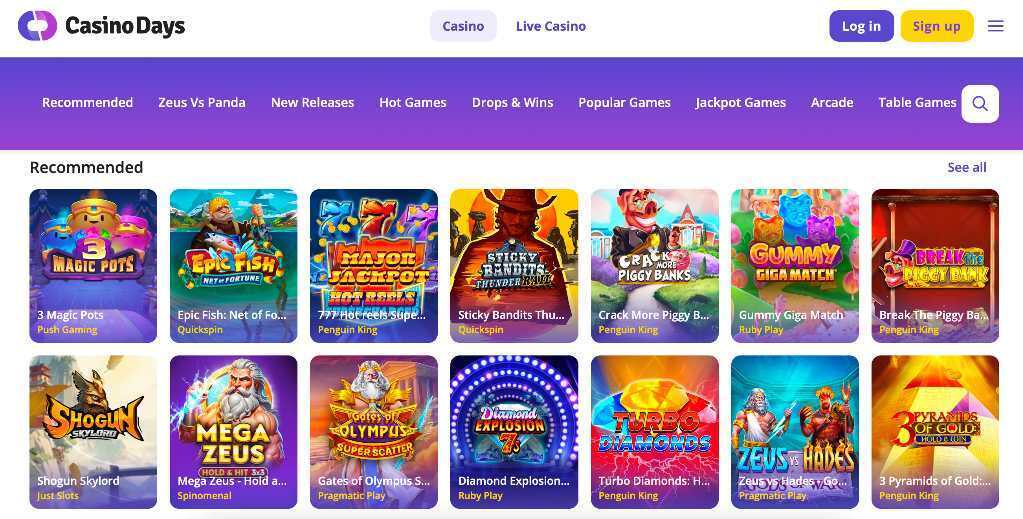
Casino Days
Casino Days offers over 5,000 games from providers including NetEnt, Pragmatic Play, and Evolution Gaming.
The platform features intuitive navigation and supports multiple payment methods popular with Canadian players. During testing, it delivered consistent performance across gameplay, deposits, and withdrawals.
What worked:
- Extensive game library with 5,000+ titles from top-tier providers
- Smooth mobile experience with responsive design
- Reliable Interac support for Canadian banking
- 24/7 live chat support with responsive service
Limitations:
- Welcome bonus carries 35x wagering requirements
- Withdrawal times vary depending on payment method selected
Editorial notes:
Casino Days offers a balanced mix of game variety and banking options for Ontario players, based on our testing. The interface is straightforward, and Interac processing is consistent.
Jackpot City
Jackpot City has operated since 1998 and remains one of the most established online casinos accessible to Canadian players.
It offers over 500 games, including slots, table games, and a comprehensive live dealer section powered by Evolution Gaming. During testing, the platform delivered consistent performance across desktop and mobile devices.
What worked:
- Extensive live dealer section with multiple blackjack, roulette, and baccarat variants
- Long-standing reputation with over two decades in the Canadian market
- Mobile-optimized platform with reliable performance and intuitive navigation
- Microgaming-powered slots library with exclusive progressive jackpots
Limitations:
- Game library of 500+ titles is smaller compared to newer platforms offering thousands
- Welcome bonus carries 70x wagering requirements across four deposits
Editorial notes:
Jackpot City may suit players who prioritise platform history and a larger live casino section. The site’s longevity shows in its reliability and streamlined user experience. It also provides strong local player protections.

Punterz Casino
Punterz Casino combines casino gaming with sports betting in a single platform.
It offers over 4,000 slots, table games, and live dealer options alongside a full sportsbook. During testing, both sections performed well, with straightforward navigation between casino and betting features.
What worked:
- Integrated sportsbook and casino under one account
- Extensive game library with 4,000+ titles from providers including Pragmatic Play and Evolution Gaming
- Competitive odds on major sports and leagues
- Multiple payment options including e-wallets and Interac
- 24/7 live chat support with responsive service
Limitations:
- Welcome bonus carries 40x wagering requirements
- Bonus terms differ between sports and casino sections
Editorial notes:
Punterz may suit Ontario players seeking sports betting and casino games on one platform. Performance is solid across both sections, with a stronger game count than most hybrid platforms.
The sportsbook is the main draw, but the casino offering is more comprehensive than expected. Bonus terms vary by section, so read carefully before opting in.

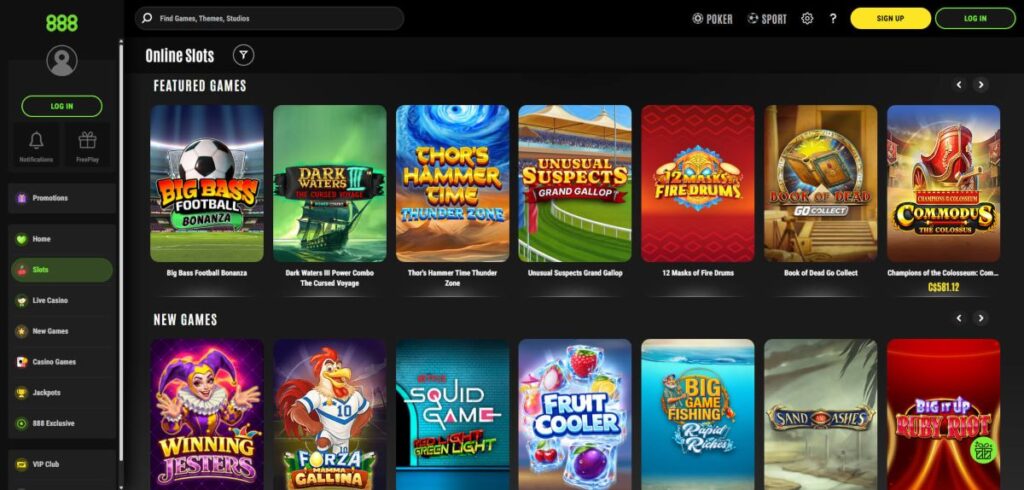
888 Casino
888 Casino has operated since 1997 and offers over 2,000 games from providers including NetEnt, Evolution Gaming, and its own proprietary software.
The platform features a clean interface with straightforward navigation and supports multiple payment methods relevant to Ontario players. During testing, it delivered consistent performance across deposits, withdrawals, and gameplay.
What worked:
- Long-standing reputation with over 25 years in the online casino market
- Extensive live dealer section powered by Evolution Gaming
- Reliable Interac support for Canadian banking
- 24/7 live chat support with responsive service
- Mobile-optimized platform with smooth performance
Limitations:
- Welcome bonus carries wagering requirements that vary by promotion
- Withdrawal processing times vary depending on payment method selected
Editorial notes:
888 Casino may suit Ontario players who prefer an established platform with a long operating history. Navigation is straightforward, banking options work well for Canadians, and Interac processing is reliable. This gambling site also provides the player protections required under Ontario’s regulated market.
FireVegas Casino
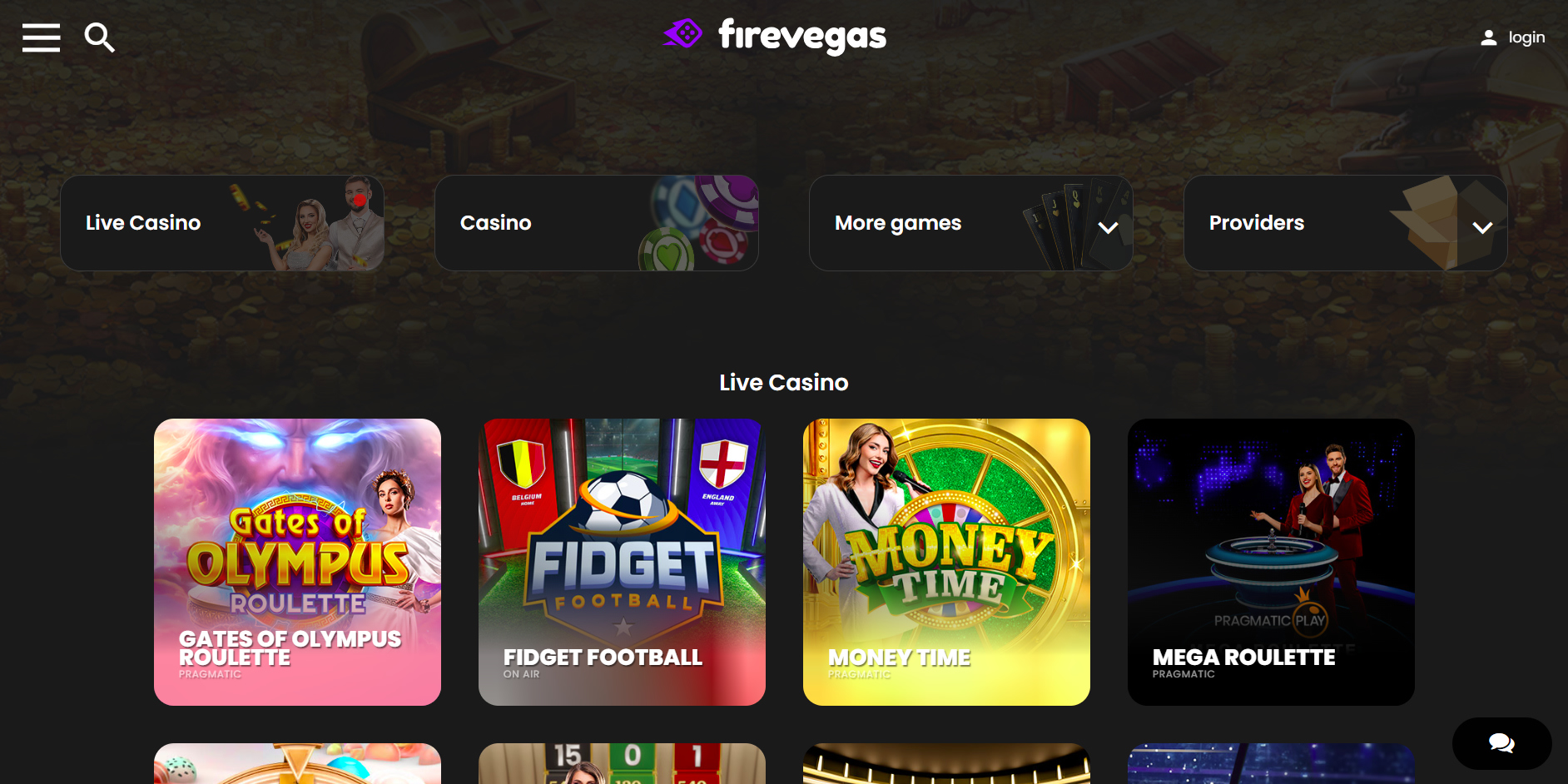
FireVegas casino offers over 3,000 games from providers including Pragmatic Play, NetEnt, and Evolution Gaming.
The platform features a modern interface with intuitive navigation and supports multiple payment methods relevant to Canadian players. During testing, it delivered consistent performance across deposits, withdrawals, and gameplay.
What worked:
- Extensive game library with 3,000+ titles from established providers
- Active promotional calendar with reload bonuses, cashback offers, and tournaments
- Reliable Interac support for Canadian banking
- 24/7 live chat support with responsive service
- Mobile-optimized platform with smooth performance
Limitations:
- Welcome bonus carries wagering requirements that vary by promotion
- Withdrawal processing times vary depending on payment method selected
Editorial notes:
FireVegas may suit Ontario players who prioritise game volume and frequent promotions. The platform is straightforward to navigate with reliable Interac processing. It also offers Canadian players protections and responsible gambling standards required under Ontario’s regulated market.
Popular Payment Methods at Ontario Online Casinos
Payment preferences come down to two things: local Canadian banking methods and how reliably you get paid.
Depositing is easy. Getting your money out is where the differences show. Unlike smaller provinces like Yukon, players here are used to comparing multiple platforms.
Interac
Interac is one of the most commonly used banking methods in Canada and Ontario.
During testing, deposits were almost always instant. Withdrawals typically processed within 1–3 days on most platforms.
Visa and Mastercard
Visa and Mastercard offer easy access, especially for quick deposits.
During testing, deposits were reliable. Withdrawals were slower and sometimes required switching methods. These options are therefore less efficient for payouts.
Think easy in and slower out.
E-Wallets
Faster withdrawals and added separation from personal account are the main reasons players use e-wallets.
During testing, these ranked amongst the quickest payout methods. They may appeal to players who prioritise faster withdrawals and separation from a bank account.
They often process within 24 to 48 hours.
Cryptocurrencies
Crypto payments offer speed, privacy, and fewer restrictions than traditional banking.
During testing, they produced some of the fastest withdrawals across offshore platforms.
Fees and volatility vary. Furthermore, crypto is more popular on internationally approved sites than on regulated Ontario online casinos.
It’s fast, but less predictable.
Payment Testing Overview for Ontario Players
| Payment Method | Deposit Speed | Withdrawal Time (Tested) | Where It Works Best |
| Interac (e-Transfer/Online) | Instant | 1–3 days | Regulated and offshore sites |
| Visa/Mastercard | Instant | 2–5 days (or not supported) | Mainly deposits |
| E-wallets (MuchBetter, ecoPayz) | Instant | 24–48 hours | Both markets |
| Cryptocurrency (Bitcoin, etc.) | Near-instant | Same day to 24h | Offshore platforms |
Editor’s insight from testing
In Ontario, the key difference isn’t how fast you can deposit. Instead, it’s how clear and predictable the withdrawal process is. Regulated platforms tend to offer more consistency, while offshore sites can sometimes be faster but have less standardized payment processing.
Ontario iGaming Market Insights
Ontario-regulated online casinos must meet strict payout and fairness rules. The market continues to expand rapidly. In fact, the total value of wagers placed now exceeds $82 billion.
Sports Betting at online casinos Ontario
Sports betting is legal in Ontario. It is available through operators registered with AGCO and contracted through iGaming Ontario, such as BetMGM, FanDuel, and PointsBet.
These platforms operate within the regulated provincial system. Some offshore casinos also offer sportsbook features and accept Ontario players, but they are not part of the regulated market.
Ontario fans can back the Toronto Maple Leafs, Toronto Raptors, or the Hamilton Tiger-Cats through any of these platforms.
What makes the Ontario gambling market different
- Structured regulation: A regulated system changes how platforms operate and present information
- Visible competition: During testing, differences in bonuses, user experience, and payout speed were more noticeable between sites
- Clearer terms in practice: Withdrawal conditions and wagering requirements were generally easier to verify upfront
- Mixed ecosystem: You can choose between regulated platforms and offshore sites, but protections and processes differ
What Does International Licensing Mean for Ontario Players?
Canada’s online gambling framework allows provinces to conduct and manage gambling under the Criminal Code of Canada.
In practice, online access has extended beyond provincially operated platforms. Ontario’s regulated market introduced a provincial system. It operates alongside internationally licensed platforms that remain accessible to players.
Some offshore-licensed casinos (such as those operating under Curacao license or Malta) remain accessible from Ontario. They are not part of Ontario’s regulated market and are not overseen by iGaming Ontario or the AGCO.
They don’t follow Ontario’s rules. So, iGaming Ontario and the AGCO don’t oversee them.
From testing, the biggest differences show up in player protection and disputes. Many international online sites run smoothly and offer fast payouts. Here, consistency isn’t guaranteed. Verification, withdrawals, and complaints vary by site.
In practical terms, this means:
- More flexibility in bonuses and game access: often fewer restrictions compared to regulated sites
- Less standardised protections: responsible gambling tools and dispute processes may not follow Ontario standards
- Greater need for due diligence: you’ll need to check payment terms, withdrawal limits, and license details before signing up
What regulation means in practice
Operators registered with AGCO and contracted through iGaming Ontario must follow specific rules. These include:
- Verifying player identity
- Enforcing age limits (19+)
- Following advertising standards
- Providing complaint resolution processes
- Separating player funds from operational accounts
Responsible Gambling for Ontarians
Ontario promotes safer play through PlaySmart. This program runs under the Ontario Lottery and Gaming Corporation (OLG). Both work together to support safer gambling across the province.
Ontario casinos give you deposit limits. These can be set daily, weekly, or monthly. You also get session reminders, self-exclusion tools, and cooling-off settings.
Ontario-specific resources for safer gambling
Here are the key resources available to you:
- Maple Casino Responsible Gambling Toolkit: our own guide covering safer play strategies, self-checks, and support options
- ConnexOntario:24/7 helpline at 1-866-531-2600 with free, private advice and referrals for anyone affected by gambling
- Problem Gambling Institute of Ontario: research, education, and treatment resources for Ontario residents
- Responsible Gambling Council: an Ontario-based group offering prevention programs and support
- iGaming Ontario Player Resources: official player protection details and complaint steps for approved casinos
Final Thoughts
Ontario’s online casino market gives you real choice. You can use approved platforms with set protections or international online casinos available in Canada with different terms. Both options are open to you.
In testing, approved gambling sites gave more consistent results. The rest of the sites reviewed varied more in withdrawal speed and support quality.
Payment methods work well on both. However, Interac stays the most practical choice for most Ontario players.
So, choose based on what matters most to you. Do you want local oversight or a broader game range? The differences become clear once you know what to compare.
FAQ
Are casino winnings taxable in Ontario?
For most recreational players in Canada, gambling winnings are not taxed. However, circumstances may differ if gambling counts as professional income.
Are offshore casinos illegal in Ontario?
Some offshore platforms hold licences in other regions and remain accessible from Ontario. They do not operate under provincial oversight unless they join Ontario’s regulated system. As a result, this limits player protection and access to complaint channels.
Do I need to live in Ontario to play at real money online casinos?
You do not need to live in Ontario to play at real money online casinos. However, you must be physically located within the province’s borders.
How can I verify if a casino is licensed in Ontario?
Approved operators display regulatory information on their sites. You can then verify this against AGCO’s public registry.
Is online gambling legal in Ontario?
Yes, within the province’s regulated system. Ontario formally launched its competitive online gambling market in April 2022. Internationally approved platforms may remain accessible. However, provincial protections apply only within Ontario’s regulated system.
What is the legal gambling age in Ontario?
The minimum gambling age in Ontario is 19.
Who regulates online gambling in Ontario?
AGCO sets and enforces standards. Meanwhile, iGaming Ontario handles operator agreements.